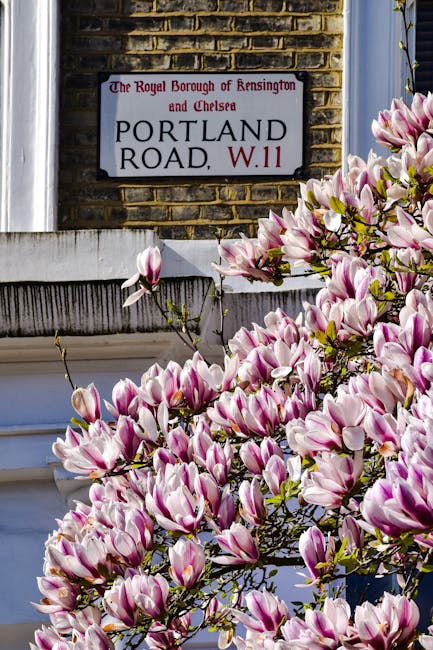
How Kensington and Chelsea council rules affect floral displays
Posted on 19/10/2026
If you are planning floral displays in Kensington and Chelsea, the council rules can shape far more than the final look. They influence where flowers can be placed, how long a display can stay up, what counts as a public obstruction, and when extra permission may be needed. That might sound dry on paper, but in real life it affects everything from a wedding arch outside a townhouse to a shopfront arrangement on a busy street. How Kensington and Chelsea council rules affect floral displays is really about balancing beauty, access, safety, and local character. Get that balance right, and the display feels elegant and effortless. Get it wrong, and you can end up with a complaint, a rushed redesign, or a last-minute removal. Nobody wants that on a windy Friday afternoon, do they?
In this guide, we will break down the practical side of local council expectations in plain English. You will see what usually matters, how to plan around it, and how to make floral displays work in a high-footfall London setting without losing their impact.
Table of Contents
- Why Kensington and Chelsea council rules matter
- How the rules affect floral displays in practice
- Key benefits and practical advantages
- Who needs this guidance and when it makes sense
- Step-by-step guidance for compliant displays
- Expert tips for better results
- Common mistakes to avoid
- Tools, resources and recommendations
- Law, compliance, standards, and best practice
- Options and comparison table
- Case study or real-world example
- Practical checklist
- Conclusion
- Frequently asked questions
Why Kensington and Chelsea council rules matter
Kensington and Chelsea is not a place where floral displays are just "put up and see what happens." Streets can be narrow, pavements can be busy, and many buildings sit in areas where appearance matters as much as access. A display that looks perfect in a studio can become a nuisance on a pavement shared by pedestrians, pushchairs, delivery drivers, wheelchair users, and people stepping out of black cabs. That is the real issue.
The council's expectations, whatever the exact permission route or enforcement approach may be for a particular site, tend to shape a few core things: safety, visibility, public access, and the visual harmony of the street. If your display blocks the route, creates trip hazards, drips water in the wrong place, or competes badly with neighbouring frontage, it may become a problem quickly. And in a borough with a strong design identity, that can matter even if the flowers themselves are beautiful.
There is also a reputational angle. A well-managed display signals care. It says the venue, business, or household understands the local setting and respects it. That can be especially valuable for weddings, luxury retail, hospitality, memorial tributes, and corporate events. To be fair, people notice these things more than they admit.
Key takeaway: In Kensington and Chelsea, a successful floral display is not only about style. It is about fitting the borough's practical constraints, keeping walkways safe, and presenting something tasteful enough for the setting.
How Kensington and Chelsea council rules affect floral displays
The way the rules affect floral displays is usually less about flowers themselves and more about what the display does in the public realm. A florist may be asked to think about positioning, size, fixing method, duration, access, and any likely impact on pavements or neighbouring properties. That means the same bouquet can be perfectly fine in one location and unsuitable in another.
1. Placement matters first
Displays near entrances, shopfronts, railings, steps, or the edge of the pavement are the most likely to raise issues. A display can be lovely and still be considered awkward if it narrows foot traffic. In practice, the safest approach is to keep enough clear space for people to pass naturally, including those with mobility aids or prams.
2. Size and structure can change the outcome
A low table arrangement may be acceptable where a tall freestanding arch would not be. Hanging installations, large urns, and floral frames are often more sensitive because they can affect sightlines, stability, or access. Even a small display can cause trouble if it is top-heavy, easily knocked, or likely to shed petals and foliage onto the pavement.
3. Weather becomes part of compliance
London weather has a habit of being... character-building. A display that looks secure on a calm morning can become unstable by lunchtime if the wind picks up or rain softens the base. Councils and property managers often care about this because loose stems, wet floors, or toppled containers create obvious hazards.
4. Temporary and permanent displays are treated differently
One-off event florals and ongoing business displays are usually judged differently. A wedding installation may need only short-term coordination, while a retail frontage display might need a more durable, carefully managed setup. The longer a display stays in place, the more important maintenance, cleaning, and safe removal become.
5. The setting changes the standard
A floral design outside a private residence, a hotel entrance, a wedding venue, or a restaurant will not be viewed the same way. If the display is adjacent to a conservation area, listed building, or busy commercial frontage, the expectation is generally more cautious and more considered. In other words, context is everything.
If you are arranging flowers for a local event or regular delivery, it helps to choose a florist who understands these nuances. A trusted local specialist such as a North Kensington florist can be more practical than a one-size-fits-all service because they are used to local conditions, timings, and access constraints.
Key Benefits and Practical Advantages
Working within council rules is not just about avoiding trouble. Done properly, it improves the display itself. You get a calmer process, fewer surprises, and a result that looks intentional rather than squeezed into place at the last minute.
- Safer displays: Better positioning reduces trip hazards, obstruction, and accidental damage.
- Cleaner presentation: Good planning keeps water, foliage, and packaging under control.
- Less last-minute stress: If the layout has already been thought through, setup is quicker and easier.
- Better visual impact: A display that fits the space usually looks more refined.
- Stronger local fit: In a polished borough, restraint often reads as quality.
- Fewer disputes: You reduce the chance of complaints from neighbours, tenants, or passers-by.
There is also a commercial upside. For businesses, compliant floral displays can support brand image without creating operational headaches. For weddings and events, they help the day run smoothly. For memorials and tributes, they allow the flowers to feel dignified rather than awkwardly placed. That emotional tone matters, a lot.
And let's be honest: people remember the spaces that feel effortless. They rarely notice the planning behind them, which is kind of the point.
Who This Is For and When It Makes Sense
This guidance matters for anyone using flowers in a space where local rules, access, or public impact come into play. That includes homeowners, event planners, business owners, wedding coordinators, funeral arrangers, hospitality teams, and people sending flowers into a shared building or managed development.
Typical situations where the rules matter
- Wedding entrances and ceremonial displays: Arches, garlands, pew ends, and doorway arrangements may need careful sizing and placement.
- Shopfronts and hospitality venues: Displays outside cafes, boutiques, salons, and hotels can be restricted by pavement width or building management requirements.
- Residential courtyards and balconies: Even private spaces may have leasehold or building rules that affect what can be fixed, hung, or placed.
- Funeral and memorial arrangements: Tributes often need tactful placement and timing, especially if the service site has limited access.
- Corporate receptions and launches: Temporary displays may have to work around fire exits, signage, or event traffic flow.
If you need flowers for a celebration or formal occasion, it helps to think beyond the blooms themselves. For example, a coordinated option such as wedding flowers can be easier to adapt when the venue has constraints, while something like florist choice works well when you want a professional to balance style with practicality.
When does it make sense to pay close attention? Almost always, if the display is visible to the public, shared with neighbours, or installed for more than a short moment. If it is just a hand-tied bouquet on a private table, the risk is much lower. Simple as that.
Step-by-Step Guidance
Here is the practical part. If you are planning a floral display in Kensington and Chelsea, follow a process that starts with the space, not the flowers. That shift alone prevents a lot of headaches.
Step 1: Identify the location and who controls it
First work out whether the space is private, shared, managed, or public-facing. A residential doorway, a communal entrance, a hotel forecourt, and a street-facing shopfront all carry different considerations. You may need permission from a landlord, managing agent, venue, or the council depending on the site.
Step 2: Measure the usable space
Do not guess. Measure the width of the route people actually use, not just the prettiest bit of pavement or entrance. Look for pinch points, steps, door swings, railings, and places where luggage or mobility aids tend to pass. A few centimetres can matter more than you think.
Step 3: Decide whether the display is temporary or ongoing
A one-day arrangement for an event can usually be built differently from a display that stays in place all week. For temporary work, focus on stability and fast removal. For recurring displays, think about maintenance, weather resilience, and whether the arrangement can be refreshed without constant disruption.
Step 4: Check for practical hazards
Ask a few blunt questions:
- Could someone trip over it?
- Could a wheelchair pass comfortably?
- Will water spill when it is watered or moved?
- Could wind loosen stems, ribbons, or containers?
- Will it block any sign, light, or entrance?
This is the boring bit, admittedly. But the boring bit saves the day.
Step 5: Match the design to the setting
In an elegant borough, a neat, restrained arrangement often works better than an oversized burst of flowers. That does not mean bland. It means thoughtful. A tall statement piece may suit a hotel lobby; a lower, wider arrangement may be better near a doorway or reception desk.
Step 6: Plan the installation and removal
Good floral displays are only half about design. The other half is logistics. Decide who sets it up, how it is secured, how waste will be removed, and when it comes down. If a display is left too long, even lovely flowers begin to look tired and slightly sad in that unmistakable post-party way.
Step 7: Keep a record of approvals and instructions
Save any permission emails, venue notes, site plans, or delivery instructions. If a problem comes up later, having the detail in one place helps everyone move quickly. It also helps future events, because you will not be starting from scratch next time.
Expert Tips for Better Results
After enough local installations, a pattern starts to emerge: the best displays are usually the ones that look easiest. They are not necessarily the biggest or most expensive. They are the ones that feel like they belong.
Use lower, weighted bases where possible
Where space is tight, a stable low arrangement is often safer and more elegant than a tall, fragile structure. Weighted containers can help in breezy spots or entrances exposed to foot traffic.
Choose flowers that hold up well
In a busy London setting, durability matters. Roses, lilies, alstroemeria, chrysanthemums, and some mixed seasonal varieties can give you a strong look with decent staying power. If the display is for a single day, you can be more adventurous. If it needs to last, be practical.
Think about scent as well as colour
A scent-heavy display indoors can be lovely for some settings and overwhelming for others. Near reception desks, dining areas, or enclosed halls, a lighter fragrance profile is often better. A little awareness here goes a long way.
Keep the colour palette in dialogue with the building
Kensington and Chelsea often suits refined colour schemes: whites, blush, deep greens, soft purples, and controlled accents. Bright colours can still work, of course, but they do best when balanced rather than shouted. You know the difference when you see it.
Make maintenance part of the design
Floral foam, water vessels, hidden mechanics, and backup stems are not glamorous, but they are the reason a display still looks good after a few hours. If the installation needs to survive traffic, heat, or a long event, factor in a refresh point before anyone notices wilting.
For delivery-based arrangements, a well-structured service page can help you choose the right timing and format. A practical option like flower delivery in North Kensington is useful when you need the display to arrive aligned with a specific window, while same-day flower delivery can be helpful for urgent events or unexpected changes.
Common Mistakes to Avoid
Most problems with council-sensitive floral displays come from assumptions. Someone assumes the space is fine, the flowers will be light enough, or the venue will not mind. Then reality arrives. Usually with a clipboard, a phone call, or an annoyed glance from a passer-by.
- Blocking access: Even a beautiful arrangement can become a nuisance if it narrows the route or forces people around it.
- Ignoring building rules: Leasehold properties, managed estates, and venues often have stricter rules than people expect.
- Using unstable containers: Lightweight pots or unsecured stands can move, tip, or crack.
- Forgetting maintenance: A display without water checks or refresh plans can deteriorate fast.
- Overloading the design: Too much height, too much volume, too many loose elements, and suddenly the display is doing too much.
- Leaving removal until later: If nobody is assigned to take it down, it may linger past its welcome.
One subtle mistake is assuming every public-facing floral arrangement needs the same treatment. It does not. A sympathy wreath, a wedding entrance piece, and a retail window display each have different practical pressures. When you ignore that, the whole thing gets harder than it needs to be.
Tools, Resources and Recommendations
You do not need specialist equipment for every arrangement, but a few basic tools make compliant setup much easier. In our experience, better tools often mean cleaner installations and fewer awkward improvisations on-site.
Helpful tools for floral display planning
- Measuring tape: For checking doorway widths, pavement clearance, and stand dimensions.
- Site photos: Useful for planning and for explaining concerns to the florist or venue.
- Weighted containers or stands: Helpful in high-traffic or slightly exposed spots.
- Waterproof liners: Reduce leakage and floor damage.
- Wire, ribbon, and discreet fixing materials: Useful for securing florals without making the installation look clumsy.
- Delivery timing notes: So the display arrives when access is available.
Practical recommendations
If you are deciding what to order, start with the event or space rather than the catalogue. For memorials, explore considered options such as funeral flowers or a calmer design like sympathy flowers. For celebrations, a more flexible choice such as any occasion flowers can be adapted to the setting. And if cost is part of the brief, a focused range like cheap flowers can still be made to look polished if the design is chosen carefully.
If you want a display to feel elevated without becoming fussy, look at arrangements that are already balanced for structure, such as a basket, posy, vase design, or compact hand-tied style. Those formats often behave better in smaller spaces. Fancy is nice. Practical is nicer when the pavement is tight.
Law, Compliance, Standards, and Best Practice
Because this topic can touch public space, access, and safety, it is wise to treat compliance seriously. The exact rules may depend on the location, who owns or manages the space, and whether the display affects a public highway, shared building area, or private frontage. It would not be sensible to pretend one simple rule covers every case.
As a general best practice, think in terms of:
- Public access: Keep routes clear for pedestrians and anyone with mobility needs.
- Trip and slip prevention: Avoid trailing materials, wet surfaces, unsecured stands, and clutter around the base.
- Structural stability: Ensure large items are properly weighted or fixed.
- Fire and escape access: Never place arrangements where they could obstruct exits or emergency movement.
- Neighbour and venue consent: Get permission where needed, especially for shared or managed spaces.
- Maintenance and removal: Have a clear plan for watering, cleaning, and taking the display away.
For businesses, internal policies may matter as much as council expectations. For event venues, the venue's own rules may be stricter. For heritage or conservation-sensitive settings, the visual standard may be higher again. In short, compliance is not just legal. It is operational, practical, and reputational too.
When in doubt, ask before you install. That is the safest and often the cheapest decision. Really.
Options, Methods, or Comparison Table
Not every floral display needs the same approach. Here is a simple comparison of the most common methods and how they tend to behave in a borough like Kensington and Chelsea.
| Display type | Best for | Compliance risk | Practical note |
|---|---|---|---|
| Small hand-tied arrangements | Private interiors, gifts, table styling | Low | Easy to move, low impact, usually simplest to manage |
| Basket or vase displays | Entrances, receptions, memorials, dining spaces | Low to moderate | Stable and neat if sized correctly |
| Large ceremony installations | Weddings, launches, statement entrances | Moderate to higher | Needs proper fixing, timing, and access planning |
| Outdoor frontage arrangements | Shopfronts, cafes, hotels, events | Moderate to higher | Most sensitive to pavement width, weather, and public access |
| Tributes and memorial structures | Funerals, remembrance, family tributes | Moderate | Usually respectful and effective, but timing and placement matter |
The best method depends on how visible the display is, how long it needs to last, and how much movement the space gets. If you are unsure, smaller and sturdier usually wins. Not always. But often enough.
Case Study or Real-World Example
Picture a small luxury boutique preparing for an evening event on a narrow Kensington street. The owner wants a floral statement at the entrance, something that feels polished as guests arrive and the lights come on around dusk. The first idea is a tall, dramatic design with trailing stems and a wide base. It looks stunning in the design sketch. On site, though, it would crowd the doorway and make the pavement awkward for passers-by.
Instead, the florist adjusts the plan. The final display is lower, wider, and weighted. It sits just inside the entrance rather than pushing into the pavement. The colour palette is softened to suit the building facade, and the flowers are chosen for their ability to hold shape for several hours. No drama. No complaints. Guests still stop and look.
That sort of adjustment is common. It is not about reducing ambition. It is about applying judgement. One small change in placement can turn a "maybe not" into something elegant and fully workable. Truth be told, that is the mark of a good florist: they know when to edit.
We have seen the same principle at memorial services, where a well-placed tribute or wreath can feel deeply respectful without interfering with the route in or out of the venue. The flowers do the emotional work. The planning does the invisible work.
Practical Checklist
Use this before you install any floral display in Kensington and Chelsea:
- Have I identified who owns or controls the space?
- Have I checked whether the display touches public access routes?
- Have I measured the area properly?
- Is the arrangement stable, weighted, and suitable for the weather?
- Will it block doors, signs, steps, or emergency access?
- Do I need permission from a venue, landlord, or managing agent?
- Is the design proportionate to the setting?
- Do I have a plan for watering, cleaning, and removal?
- Have I considered scent, drips, debris, and visibility?
- Is the display appropriate for the occasion and the local surroundings?
If you can tick those boxes, you are already ahead of most rushed setups. And yes, rushed setups happen more often than people admit.
Get a free quote today and see how much you can save.
Conclusion
How Kensington and Chelsea council rules affect floral displays comes down to one simple truth: the more public, visible, or long-lasting the arrangement, the more carefully it needs to be planned. That does not make floral design less creative. If anything, it sharpens it. Good flowers in this borough are not just pretty; they are thoughtful, well-placed, and easy to live with.
Whether you are arranging wedding decor, shopfront florals, memorial tributes, or a one-off statement piece, start with the space, respect the access, and build the design around the real world rather than the ideal one. That is where the best results come from. A little planning now can save a lot of bother later. And it usually looks better, too.
For many readers, the next sensible step is simply to choose an arrangement format that suits the setting, then confirm the practical details before installation. That one habit can make the whole process feel calmer, cleaner, and much more professional.
Frequently Asked Questions
Do I need permission for floral displays in Kensington and Chelsea?
It depends on where the display is going. A private indoor bouquet usually does not need permission, but public-facing, shared, or fixed installations may require approval from a venue, landlord, managing agent, or the council. If it touches a pavement, doorway, or communal area, it is worth checking first.
What types of floral displays are most likely to cause issues?
Large outdoor arrangements, anything that narrows a walkway, and displays with unstable bases tend to cause the most trouble. Tall arches, freestanding installations, and floral pieces near exits or steps deserve extra care.
Are shopfront flowers allowed on the pavement?
Sometimes yes, but only if they do not obstruct access or create a safety problem. In a busy borough like Kensington and Chelsea, pavement space can be tight, so the display needs to be sized and placed very carefully.
How can I make a floral display look luxurious but still compliant?
Focus on proportion, quality stems, and a restrained colour palette. A clean, well-balanced design often feels more expensive than a bigger one. Stability and neat finishing also matter a great deal.
What is the safest option for a wedding entrance display?
A stable, moderately sized arrangement placed with clear access around it is usually the safest starting point. If the venue has a narrow entrance, consider a lower design or a display positioned inside the threshold instead of on the pavement.
Do memorial flowers face the same council issues as event flowers?
Not exactly. Memorial and funeral flowers are usually judged with sensitivity, but they still need to avoid blocking access or creating hazards. A respectful placement is important, and so is keeping routes clear.
How far in advance should I plan a council-sensitive floral display?
As early as you can, especially for events, weddings, or larger installations. Early planning gives you time to measure the space, confirm permissions, and adjust the design if needed. Leaving it until the last minute is asking for a headache.
Can I use artificial flowers for outdoor displays?
Yes, in some situations, but they still need to be secure, suitable for the environment, and acceptable to the venue or property manager. Artificial florals can be useful where longevity matters, though they should still look tasteful in the setting.
What should I ask a florist before ordering a display?
Ask whether they have experience with similar spaces, how they handle installation and removal, what the display needs in terms of support, and whether they can adapt the design to restricted access. Those questions save time later.
How do I avoid complaints from neighbours or passers-by?
Keep the display tidy, well-sized, and clearly out of the way. Avoid noise, mess, and overhang into shared space. Good communication helps too, especially in residential streets or managed buildings.
Which flower styles tend to work well in small Kensington and Chelsea spaces?
Compact arrangements, vase designs, posies, baskets, and carefully controlled mixed bouquets often work best. They give you beauty without overwhelming the space, which is usually the right balance in tighter settings.
What if the display has to stay up for several days?
Then maintenance matters more. Choose long-lasting flowers, check water levels, protect the base, and plan for refresh or removal. A display that lasts several days needs to be built for endurance, not just the first hour.
And if you are still unsure, that is perfectly normal. The smartest displays are usually the ones that were checked twice, adjusted once, and installed with a bit of care. Flowers have a way of rewarding that attention.